
|
Casa Verde Homeowners Association
To preserve the financial investment and peaceful use of our common property at Casa Verde
|
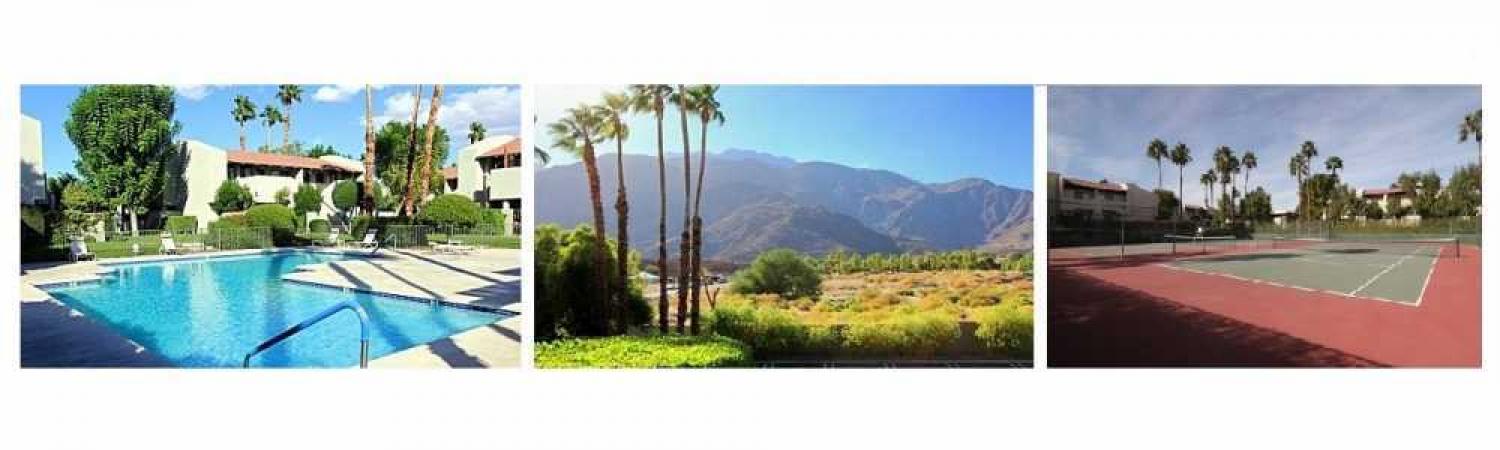
Tree Removal
Selected Trees for Removal: The 20 trees marked for removal are due to the following critical issues:
- Desert Landscape Conversion: Currently five trees (two Jacaranda and three Pepper Berry) are planted long the exterior sidewalk area. They are not healthy due to age, stress and extreme high temperatures. All of the landscapers who are presenting proposals for desert landscape conversion in this sidewalk area, concur, these trees will not survive the transition and should be removed.
- Severe Structural Decay & Disease: Several trees have advanced internal decay, making them highly susceptible to snapping during high winds.
- Property Threatening Root Systems: Aggressive Jacaranda root growth is actively lifting concrete sidewalks, destroying retaining walls and encroaching on building foundations, building water supply pipes, and patio slabs.
- Public Safety Hazards: A number of trees are leaning dangerously toward building structures and walkways, posing a risk of falling.
- Overcrowding: Several trees were planted too close together. Fifteen of the trees selected for removal are Jacaranda. Jacaranda Trees are not native to the desert and require supplemental watering making them a heavy consumer of water. The required planting distance between Jacaranda Trees should be at least 30 feet to 40 feet, some of ours are not. Due to overcrowding, the Jacaranda are in constant competition for water. Lack of water and excessive triple digit temperatures result in the trees’ decline and eventual death. The irrigation system is not designed to provide extra selective watering to the Jacaranda. Removing some trees in an overcrowded area reduces underground root competition, which allows the remaining trees to access more water and soil nutrients significantly improving their health and long-term chances of survival.
List of trees and reasons for removal.
Exterior of Property
N. Hermosa: 3 Pepper Berry/BrazilianPepper
E. Amado: 2 Jacaranda
Reason for removal: Will not survive Desert Landscape Conversion, Landscaper recommendation.
Common Areas
Between Buildings 8-16: 1 Mesquite
Reasons for removal: Half the tree died last year from spider mites. The roots are actively raising the sidewalk area which is now a liability. The step area of the sidewalk needs to be cut out and replaced. Currently getting estimates.
East side of Building 4: 3 Jacaranda
Reasons for removal: One Jacaranda is diseased. More than 30% of the trunk's interior is hollowed out or severely decayed. The tree's roots are also encroaching on a water supply line to Building 4 as well as a patio slab and foundation.Two Jacaranda are less than 4 feet 6 inches from the building. The required distance for a mature Jacaranda from a building structure is 15-30 feet. The trees roots are encroaching on balcony slabs and the building's foundation. This area is also overcrowded. It measures approximately 80 feet X 13 feet with 9 mature trees planted in this section. The required distance between mature Jacaranda is 30-40 feet.
North side of Building 3: 1 Jacaranda
Reasons for removal: The tree's roots are encroaching on a bedroom balcony slab and the building's foundation. The tree is 4 feet 8 inches from the building and is leaning toward the building.The required distance for a mature Jacaranda from a building structure is 15-30 feet This area is also overcrowded. It measures approximately 76 feet X 35 feet with 7 mature trees planted in this section. The required distance between mature Jacaranda is 30-40 feet.
South side of Building 4: 1 Jacaranda
Reasons for removal: The tree's roots are cracking the sidewalk. This area is also overcrowded. It measures approximately 76 feet X 35 feet with 7 mature trees planted in this section. The required distance between mature Jacaranda is 30-40 feet.
Northeast corner of Building 5: 1 Jacaranda
Reasons for removal. Three Jacaranda are crowded into a very small area along with numerous palm trees and bushes. One tree is sickly looking and is slated for removal. Required planting distance between Jacaranda is 30-40 feet.
South side of Building 7: 2 Jacaranda
Reasons for removal. The two Jacaranda tree's roots destroyed the retaining wall. The wall has recently been repaired at a cost of just over $2000. The retaining wall is has a new crack from a Jacaranda tree root. Landscape Company recommendation to remove.
East side of Tennis Courts: 3 Jacaranda
Reasons for removal. The three Jacaranda appears sickly and branches keep breaking off. Landscape Company recommendation to remove.
South side of Building 11: 1 Jacaranda
Reasons for removal. The tree's routes are cracking the sidewalk. The tree is also leaning.
North side of Building 15: 1 Jacaranda
Reason for removal. The tree has rotting and diseased branches.
North side of Building 17: 1 Bottle tree
Reasons for removal. The tree appears sickly and is leaning.
Planting Jacaranda Trees in Palm Springs can be challenging due to extreme desert heat, intense sun exposure, and high maintenance requirements. While they offer iconic purple blooms, the desert climate introduces severe stress risks that can damage or kill the tree. Unfortunately, we seldom see purple blooms at Casa Verde because the trees were planted to close to buildings and sidewalks requiring them to be trimmed yearly. Yearly trimming slows down the growth of the shallow root system which can damage buildings foundations, patios and sidewalks, but it also stops the tree from blooming.
Most of the following information on Jacaranda Trees comes from the Coachella Valley Water District.
Intense Heat & Sunscald
- Trunk Scalding: The intense afternoon sun can blister and split the bark.
- Abiotic Injury: Desert heat damages tissue, welcoming wood-rotting pathogens.
- Foliage Burn: Dry desert air causes leaf tips to crisp and drop prematurely.
- Drip Line Focus: Shifting to deep waterings at the drip line is required to sustain them but the irrigation system at Casa Verde is not designed to increase selective watering just to the Jacaranda. The timed water cycle can be increased to the entire complex resulting in a significant increase in water usage and higher bills leading to higher HOA fees.
Heavy Litter & Mess
- Slippery Flowers: Dropped blossoms decay into a slimy, rotting carpet on hardscapes.
- Sticky Sap: The tree drips a sticky residue that can damage car finishes.
- Pungent Decomposition: Decaying flower carpet emits a distinctly foul, musky odor.
- Pool Hazard: Fine fern-like leaves bypass filter guards and easily clog pool plumbing.
- Drain Hazard: Fine fern-like leaves fall on second floor patios, bedroom balconies and the center lower section of the building roofs blocking drains which result in flooding during rain. Flooding often leads to interior unit damage.
Invasive Roots & Brittle Wood
- Surface Roots: Sprawling shallow roots can lift and crack patio tiles and walkways, and cause damage to retaining walls.
- Wind Damage: Brittle branches break easily during violent Coachella Valley windstorms.
- Structural Distance: Trees must sit at least 15 to 30 feet from foundations.
Pages
- Home
- Property Management
- Property Management
- Dues & Land Lease
- PPM Property Management Portal
- Contact Information
- Casa Verde Board Members
- Useful Contact Numbers
- Pest Control
- Entrance Gate Directory Programming
- Governing Documents
- Updated Rules & Regulations 3/2026
- Update Exterior Shade Policy 3/2026
- Updated Gate Covering Policy 3/2026
- Update Light Policy 3/2026
- CC&Rs & ByLaws
- Rules and Regulations
- Election Rules
- HOA disclosures
- Land lease documents
- Exterior Window Covering Policy
- Light Policy
- Satellite Policy
- Trash & Recycling Policy
- Collections Policy
- Board Meetings & Financials
- Next HOA Board Meeting
- Agenda of the next Board meeting
- Meeting Minutes
- Financial statements
- Budgets
- Committees
- Current Committees
- Community
- Calendar
- Comments, Suggestions & Ideas
- Newsletters
- Location/Unit Map
- Community Facilities
- Classifieds
- Photo Gallery
- Newsletters
- Remodel ideas
- Patio and Bedroom Drains
- Casa Verde Pets
- Tree Removal
- Security & Complaints
- Complaint form
- Security
- Gate Codes
- Gate Key Fob
- Architecture Info & Requests
- Architectural Rules from CC&R
- Architectural Request form
- Paint Color Codes
- Roof Replacement